Skip to content

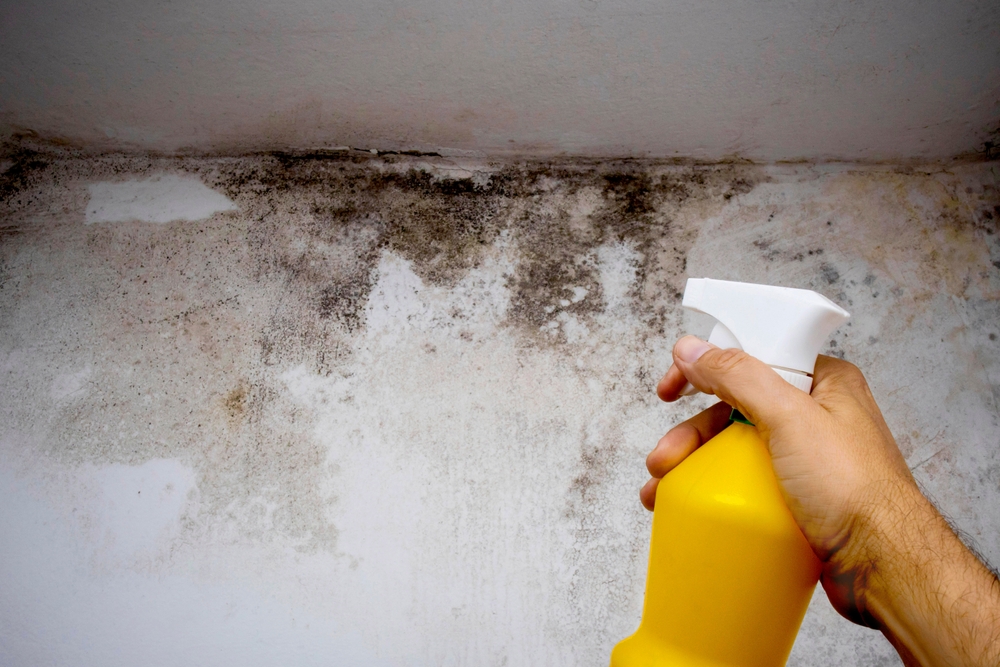
How fast can mold start growing after water damage in your Tulsa home? Many Tulsa homeowners are surprised to learn mold can grow quickly. It can start spreading within 24-48 hours after water damage, making quick action essential.
Knowing the water damage mold timeline is vital to avoid more problems. Mold grows well in damp, humid places. The Environmental Protection Agency (EPA) and studies show mold can grow fast after water damage. Experts also stress the need for quick action to stop mold from spreading.
Key Takeaways
- Mold can start growing within 24-48 hours after water damage.
- High humidity and moisture are primary contributors to rapid mold growth.
- EPA guidelines and research studies highlight the urgency of addressing water damage quickly.
- Professional insights stress the importance of swift response to prevent extensive mold proliferation.
- Knowing the water damage mold growth time frame can help in taking timely preventive measures.
Understanding the Causes and Risks of Mold from Tulsa Water Damage
Mold can grow after water damage for several reasons. High humidity is a big factor. Places like basements, bathrooms, and kitchens are at risk because they often have humidity over 60%.
Temperature also matters a lot. Mold spores grow fast in warm places, like indoor temperatures between 77°F and 86°F. This makes mold spread quickly, often in just 24 to 48 hours after water damage.
What materials are in a building can also affect mold growth. Materials like drywall, carpet, and insulation hold moisture well. This makes them more likely to grow mold, which spreads fast.
Mold exposure can harm your health. The CDC says it can cause breathing problems, allergies, and make asthma worse. Long-term exposure can lead to serious health issues, mainly for those with weak immune systems.
Mold can also damage a building’s structure. As mold eats away at wood and drywall, it weakens the building. This can lead to expensive repairs and safety risks. The AIHA stresses the need to control moisture to stop mold and protect buildings.
How to get rid of mold caused by Tulsa water damage?
It’s important to tackle mold quickly to keep your Tulsa home healthy. Here are steps to manage and remove mold from water damage:
- Identify the Mold: Look for black, green, or white spots, musty smells, and damp spots. Mold can start within 24-48 hours after water damage, so spotting it early is key.
After finding mold, it’s critical to seal off the area to stop spores from spreading:
- Contain the Affected Area: Use plastic sheeting and duct tape to block doors, vents, and other openings. This helps keep mold spores from spreading to other parts of your Tulsa home.
Wearing the right gear is important for your safety. Make sure you have:
- Gloves
- Masks or respirators
- Safety goggles
When you start cleaning and disinfecting, follow these steps:
- Clean and Disinfect: Use water and detergent to scrub mold off hard surfaces. Then, disinfect with a mix of water and bleach or a mold-specific cleaner to kill any spores left behind.
Next, you need to dispose of items that got moldy:
- Proper Disposal: Put contaminated items in plastic bags before throwing them away. Check local rules for how to dispose of moldy items; the Occupational Safety and Health Administration (OSHA) has clear guidelines for handling and disposing of moldy materials.
If the mold is widespread, it’s best to call in the pros for mold removal. The Environmental Protection Agency (EPA) and the International Association of Certified Home Inspectors (InterNACHI) suggest getting professional help if mold covers more than 10 square feet.
Knowing how to deal with mold from water damage is vital for a safe Tulsa home. Quick action, the right methods, and protective gear can stop mold from growing and protect your health.
Mold Remediation Techniques and Professional Services in Tulsa, OK
When mold gets out of control, it’s time to call in the pros. Professional mold remediation services are key to a safe and thorough cleanup. They have the skills to handle tough mold problems. Let’s explore the advanced techniques they use.
The Institute of Inspection Cleaning and Restoration Certification (IICRC) sets the mold removal standards. They ensure a detailed and consistent approach. Here are some top mold removal methods:
- HEPA Vacuuming: High-Efficiency Particulate Air (HEPA) vacuums catch and hold mold spores tightly.
- Negative Air Pressure Containment: This method creates a vacuum to stop mold spores from spreading.
Choosing the right mold remediation service is critical. Look for companies with IICRC certification. This shows they follow strict safety and quality guidelines. Also, check out their past work and customer feedback. It helps to see how well they’ve done in real situations.
Conclusion
Quick action is key to stop mold in your home. Mold can start growing fast after water damage. Knowing how mold grows from water damage helps Tulsa homeowners act early.
The article showed ways to remove mold from water damage. You can try DIY methods or get help from professionals. Using these methods can stop mold from spreading, making your Tulsa home healthier.
Preventing mold is also important. Home inspections and controlling moisture are good steps, as the American Society of Home Inspectors (ASHI) suggests. These actions keep your Tulsa home mold-free, giving you peace of mind. Keeping up with maintenance and watching for mold issues is essential for a safe home.
Need Mold Removed in Your Tulsa Home?
Call Reset Restoration today for emergency mold remediation services in the Tulsa, OK area or contact us online!