Skip to content

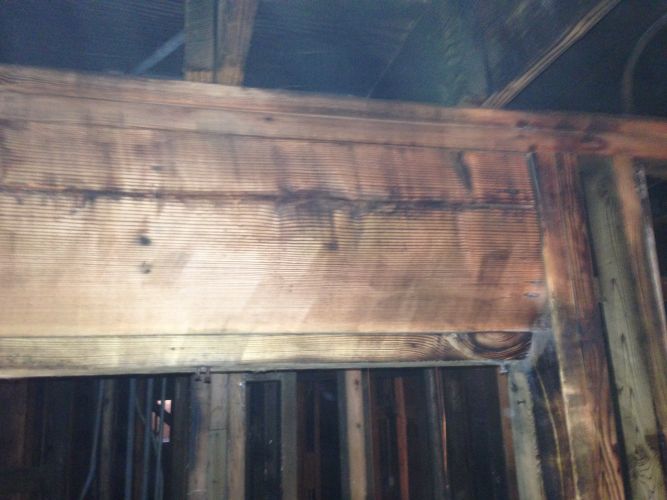
After a fire in your home, keeping your family safe is the first thing to do. Once everyone is safe, you need to figure out what to throw away because of smoke damage. You have to think about what the item is made of, how much smoke it got, and if it could be harmful.
Some things might keep bad smells or harmful chemicals even after you try to clean them. Getting rid of these items is important to protect your health in the long run.
Key Takeaways
- Smoke damage cleanup tips prioritize safety and thorough inspection.
- Items such as non-perishable foods and burnt clothing should be discarded.
- Consider the health risks posed by smoke-damaged medicines and personal care items.
- Electronic devices exposed to smoke may need to be replaced.
- Documenting the damage and consulting with insurance can streamline the disposal process.
Understanding the Impact of Smoke Damage
Smoke damage can severely harm a home’s structure and personal items. It’s important to understand its wide-ranging effects.
Health Risks of Smoke Damage
Smoke in a home carries harmful particles and chemicals. These can cause minor issues like eye or skin irritation. But they can also lead to serious respiratory problems. It’s critical to follow proper smoke restoration guidelines to avoid these risks.
Types of Smoke Damage
Smoke damage can vary, affecting homes differently. Protein fires, like those from cooking, leave a strong smell. Synthetic fires release harmful chemicals, while soot damage creates black ash. Knowing these types helps in effectively removing smoke odor from belongings.
Long-term Effects on Belongings
Smoke damage can have lasting effects on belongings. If not treated, items can suffer permanent damage. This can lead to ongoing health issues and a decrease in item value. Following detailed smoke restoration guidelines is essential to mitigate these effects and make a home safe again.
What to throw away after smoke damage in house?
After smoke damage hits your home, it’s key to get rid of some items. This ensures your family’s safety and health. Some items are more likely to get damaged or contaminated.
Non-Perishable Foods
Even if non-perishable foods look okay, they might not be safe. Smoke can change their chemical makeup. So, it’s best to toss out cereals, canned goods, and snacks to avoid health risks.
Burnt Clothing
Clothing that’s been burned or even slightly scorched should go. Burnt clothes can’t be safely worn because they’re structurally damaged. It’s not safe to try to save these clothes after smoke damage.
Medicines and Personal Care Items
Smoke can harm medicines and personal care items like cosmetics and over-the-counter drugs. Their quality might be affected, making them unsafe. It’s important to remove these items properly to avoid health risks.
Electronic Devices
Smoke-exposed electronics might seem fine but could have hidden damage. Using damaged electronics can be dangerous, like causing short circuits or fires. It’s safer to replace them than risk using damaged ones, even if they seem salvageable at first.
Steps to Take Before Disposing of Smoke-Damaged Items
Before getting rid of items damaged by smoke, it’s key to take a few steps first. These steps help make sure filing *smoke damage insurance claims* is easy and effective.
Document the Damage
Start by making a detailed record of all damaged items. Take high-quality photos of each item from different angles. This shows the full extent of the damage.
Also, write a list that describes the condition of each item. This list is a big part of the fire damage cleanup checklist. It’s very helpful when you’re filing your insurance claim.
Consult with Insurance
After documenting the damage, contact your insurance provider. Talk about what to do next. Find out what your policy covers and what you need to do to file a claim.
Give them the detailed documentation you made. This helps ensure your claim is processed quickly and approved without any issues.
Conclusion
Dealing with smoke damage is key to making your home safe again after a fire. It starts with knowing how smoke affects health and what damage it causes. You should throw away items like non-perishable foods, burnt clothes, and damaged electronics to avoid health risks.
Before you start cleaning, document the damage and talk to your insurance. This helps with insurance claims and makes sure you don’t miss any important steps. Good documentation and talking to insurers are essential for getting the right compensation.
Knowing what to get rid of and planning your cleanup can greatly help in recovering from a fire. It ensures your home is safe and livable again quickly. By carefully handling each part of the cleanup, you can get your home back to normal efficiently.
Need Mold Removed in Your Tulsa Home?
Call Reset Restoration today for emergency mold remediation services in the Tulsa, OK area or contact us online!