Skip to content

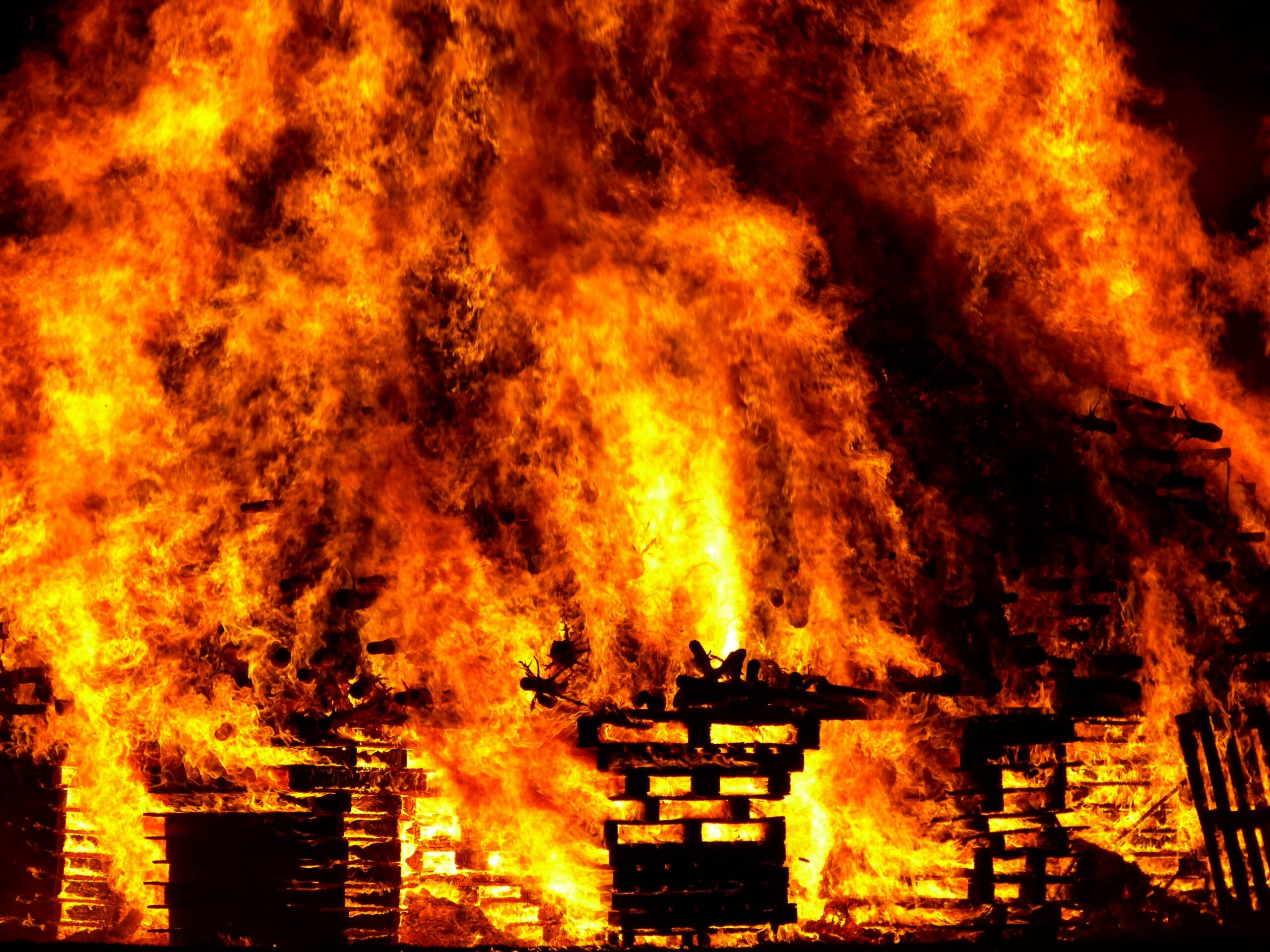
After a fire, the air is filled with pollutants like smoke, ash, and soot. These carry harmful chemicals such as volatile organic compounds and benzene. These toxins stick to surfaces, like furniture and walls, and keep releasing harmful substances.
The level of air contamination depends on how much smoke was involved. It gets better with proper cleaning and airing out. This helps remove the harmful effects of the fire.
Quick and thorough cleaning can help reduce exposure to these dangers. But, airborne particles and chemicals can be harmful. It depends on how long you’re exposed and how sensitive you are.
Using NIOSH-certified respirators is key. It helps protect you during cleanup. Managing how much you’re exposed to is also important to stay safe.
Key Takeaways
- Pollutants from a fire include smoke, ash, and soot containing volatile organic compounds and benzene.
- Contaminants can linger on surfaces, releasing toxins into the air over time.
- The severity of air contamination diminishes with effective fire damage restoration and proper ventilation.
- Immediate and thorough cleaning can minimize exposure to harmful pollutants.
- NIOSH-certified respirators and careful exposure management are vital during cleanup processes.
Understanding Post-Fire Air Quality
After a fire, the air quality can be very bad. This is because many pollutants are released. These pollutants can harm our health and the environment for a long time.
Types of Pollutants
Post-fire air has many pollutants. These include tiny particles, harmful gases, and dangerous substances like lead and asbestos. The size of these pollutants matters. Big particles fall down fast, but small ones can travel far and stay in the air longer.
This makes air pollution worse. In bad cases, experts need to clean up to remove these harmful substances.
Health Effects of Post-Fire Air
Being around post-fire air can hurt our health. People might get breathing problems, heart diseases, or make existing health issues worse. The toxins in the air can cause both short and long-term health issues.
This shows why it’s important to check the air quality after a fire. We need to keep everyone safe and healthy.
Impact on Vulnerable Populations
Some groups are more at risk from bad air after a fire. These include the elderly, kids, and people with health problems. They are more likely to get sick from air pollution.
It’s very important for these groups to know about air quality. They should also get advice from experts. This helps them stay safe and healthy.
How Long is Air Toxic After a Fire?
Figuring out how long air stays toxic after a fire is tricky. It depends on how pollutants are released and how fast they spread.
Short-Term vs Long-Term Effects
Right after a fire, the air quality drops fast. Smoke and particles in the air can cause breathing and heart problems. These issues can last from hours to weeks, based on the fire’s size and the weather.
But the air can stay toxic for months. Tiny particles and harmful chemicals settle and then get released again. This can make long-term health problems worse. It’s key to keep checking the air quality to know how to stay safe.
Factors Influencing Air Toxicity Duration
Many things affect how long air stays toxic after a fire:
- Fire Size and Intensity: Big fires make more smoke and pollutants, lasting longer.
- Materials Burned: What’s burned, like plastics or chemicals, adds more toxins.
- Weather Conditions: Wind, humidity, and rain affect how pollutants spread or stay in one place.
- Cleanup and Containment Efficiency: Quick and effective cleanup helps reduce air pollution.
Using good air quality monitoring systems is important. It helps find and fix air pollution problems fast. This keeps people safe and healthy after a fire.
Conclusion
Air toxicity after a fire depends on many factors. These include the fire’s nature, the materials burned, and how quickly cleanup happens. It’s important to monitor air quality well to manage these hazards.
Following safety rules during and after a fire is critical. Advanced sensors help detect harmful pollutants. This aids in making quick, informed decisions. Research and public awareness are key to protecting health and restoring damage.
Effective fire damage restoration and a strong public health focus are essential. They help tackle environmental hazards from fires. Monitoring and managing air quality is vital to keep people safe and build resilience against future fires.
Need Mold Removed in Your Tulsa Home?
Call Reset Restoration today for emergency mold remediation services in the Tulsa, OK area or contact us online!