Skip to content

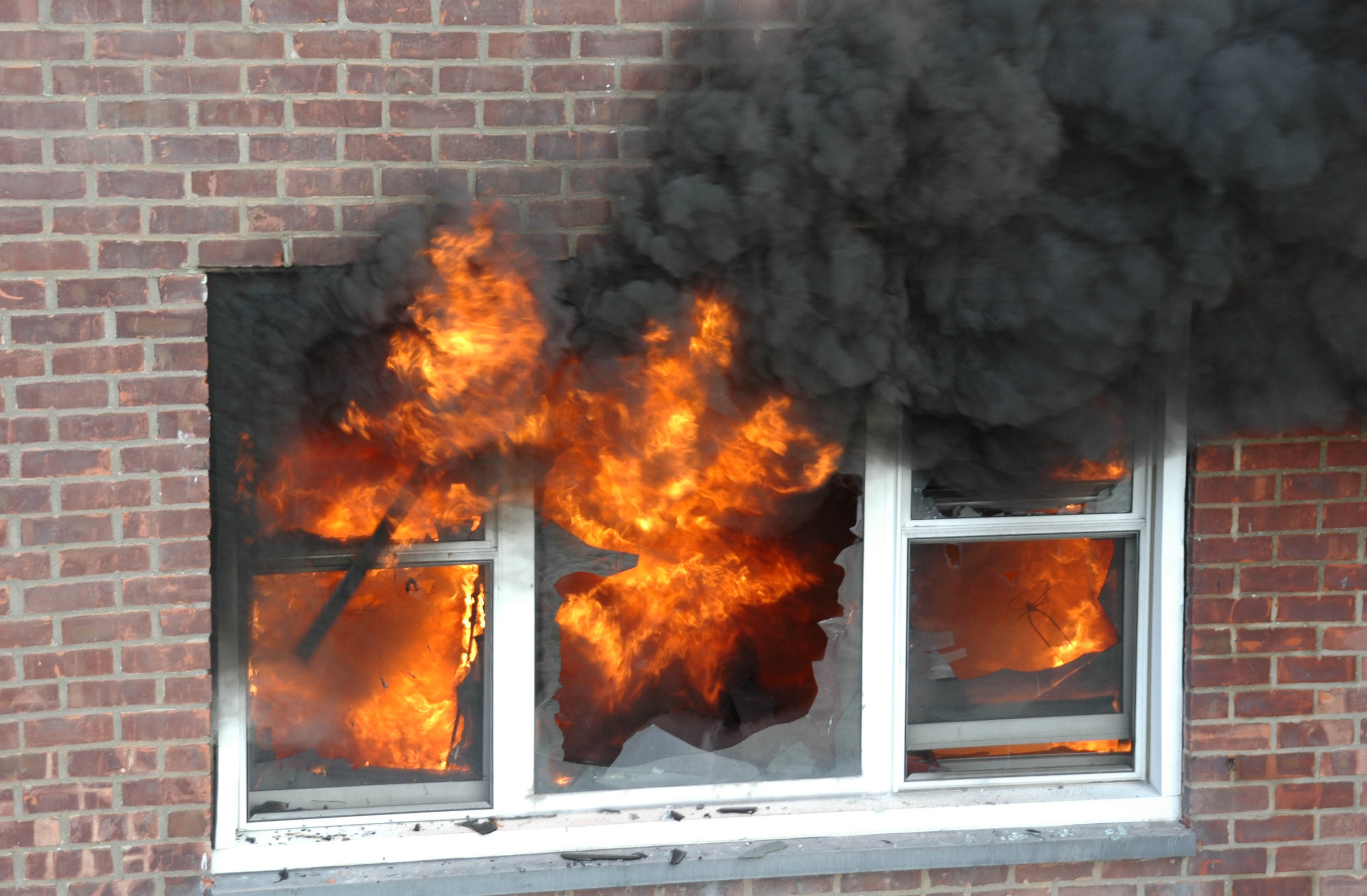
When a building catches fire, we wonder if the materials left standing are safe. Concrete is often seen as a fire-resistant material. But is it safe after a fire? This article explores the effects of fire on concrete, why it’s important to inspect it after a fire, and what makes concrete resistant to fire.
Fire safety and building codes say concrete must stay strong when exposed to high temperatures. Civil engineering experts explain how concrete’s makeup helps it resist fire. But, not all concrete is the same, and long-term fire exposure can weaken it.
History and recent studies show mixed results. Some concrete buildings stay strong after a fire, while others are badly damaged. Looking at these examples helps us see why checking concrete after a fire is key. It also shows us how to best check if concrete can withstand fire.
Key Takeaways
- Concrete is generally seen as fire-resistant, but its effectiveness can vary.
- Fire safety and building codes set clear standards for concrete in fires.
- Checking concrete after a fire is vital to see if it’s safe.
- Civil engineering explains how concrete’s makeup helps it fight fire.
- Studies show both good and bad outcomes for concrete after a fire.
Understanding Concrete’s Fire Resistance
Concrete is known for its strong fire resistance, making it a top choice for buildings that need to be safe from fires. Its ability to resist fire comes from the materials it’s made of. Concrete is a mix of cement, water, and stuff like sand or stone.
Concrete has a high melting point, which means it can handle very hot temperatures without breaking down. This is why it’s so good at keeping buildings safe during fires.
When we talk about fire damage in concrete, we look at fire ratings. Groups like ASTM and ISO have rules for how well building materials do in fires. These ratings show how long concrete can stay strong and stable when it’s really hot.
Research in material science shows that concrete is very tough in fires. It keeps working well, even when it’s really hot for a long time. This is because of its thermal mass, which helps control temperature and slow down fires.
Fire safety experts also talk about how well concrete can handle flames. Concrete’s fire safety is not just about how long it can stay hot. It’s also about keeping fire from spreading through it.
Assessing Concrete Fire Damage
It’s important to know how to check if concrete is safe after a fire. You need to look for signs like cracks, spalling, and color changes. These signs show how bad the damage is.
Experts use special tests to check concrete damage. They use tools like ultrasonic tests and radar to see inside without harming it. These tools help find hidden problems and check if the concrete is strong.
Modern tools help plan repairs accurately. For example, infrared cameras find hidden damage by looking at temperature changes. Rebound hammer tests also help by checking how hard the surface is.
Following rules from engineering groups is key. Groups like the American Concrete Institute give detailed checklists. Talking to experienced engineers and experts also helps a lot.
Is Concrete Good After a Fire?
Engineers carefully check if concrete is safe after a fire. They look at how intense the fire was and what the concrete is made of. Knowing these details is key to keeping concrete safe after a fire.
First, they do a close look to see if there are cracks or color changes. But, they don’t stop there. They use special tests to really check the damage.
They then do a detailed check to see if the concrete is strong enough. They compare it to what it was before the fire. Looking at past fires, like the one in Madrid, helps them make good choices.
Fixing the concrete is often cheaper than starting over. They use special fixes to make it strong again. Looking at what happened in Atlanta shows this is a smart move.
Experts, like those working on Notre-Dame, say each fire is different. They need to look at each case carefully. This way, they can make sure concrete is safe for the future.
Conclusion
This article showed that concrete is very fire-resistant. It’s key to do a detailed check after a fire. This is because concrete can withstand fire well, but we must be sure it’s safe and works right.
Checking concrete after a fire needs a careful plan. We use visual checks, tests, and expert opinions. This helps us know if the damage is minor or if we need big repairs.
Experts are very important in figuring out how bad the damage is. They tell us what to do to fix it. So, getting professionals to check helps keep buildings safe and strong.
New ways to check concrete damage are helping us fix buildings better. Knowing how concrete handles fire and how to check it helps a lot. It means buildings can be fixed and used again safely.
Need Mold Removed in Your Tulsa Home?
Call Reset Restoration today for emergency mold remediation services in the Tulsa, OK area or contact us online!