Skip to content

When drywall gets wet, it might seem okay at first. But if it’s not fixed quickly, it can start to fall apart. It becomes soft and weak, which is not good.
It’s very important to act fast to stop more damage. This includes mold, which can grow in just a day or two after water hits. How well you can fix the drywall depends on how long it was wet and how fast you dry and repair it.
Key Takeaways
- Immediate response is key when drywall gets wet.
- Water can make drywall weak and unstable.
- Mold can start growing in 24-48 hours after water damage.
- The extent and length of water damage affect drywall’s repairability.
- Fast drying and fixing are vital to minimize damage.
Understanding the Impact of Water on Drywall
Water can severely water damage drywall, affecting its strength and posing health risks. It’s vital to spot water damage signs early and act fast to lessen its effects.
Signs of Water Damage in Drywall
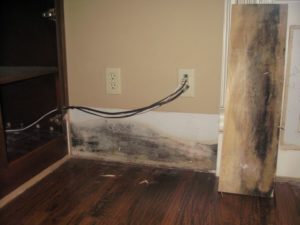
Spotting water stains on drywall is key to fixing water damage. Look for swelling, color changes, and softness when touched. These signs mean water has gotten into the drywall, which can cause more issues if not fixed quickly.
Structural Integrity Concerns
Wet drywall weakens its structure. It becomes more likely to break or sag. It’s important to prevent wet drywall to keep your buildings safe and avoid expensive fixes later.
The Risks of Mold Growth
Mold grows fast on wet drywall, posing health risks like allergies and breathing problems. Mold spores spread quickly in damp places, making quick action and prevention key to keep air clean and healthy.
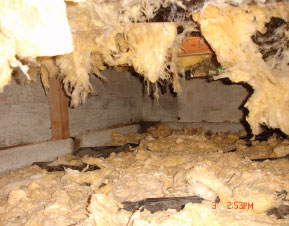
Soaked insulation behind drywall also loses its insulating power. This dampness and mold risk in insulation can harm energy efficiency and air quality.
How to Fix Wet Drywall
When drywall gets wet, you must act fast to avoid damage and mold. Knowing how to fix wet drywall can save you money and keep your building safe.
Immediate Actions to Take
First, stop the water leak or flood. Then, check how wet the drywall is. It’s important to cut out the wet parts a few feet above the water line. This helps find and dry any hidden moisture.
Using Moisture Meters
Moisture meters are key for drying wet drywall. They show how wet the walls are. Use them often until the walls are dry again.
Removing Wet Insulation
Take out any wet insulation like fiberglass or cellulose. These materials hold moisture and can grow mold. Removing them well is essential for fixing wet drywall.
Is Drywall Ruined If It Gets Wet?
When drywall gets wet, the damage can vary. The severity of the damage and how quickly it’s dried are key. If the water exposure is minor, the drywall might be saved with just a few repairs.
But, if the water stays for too long, the damage can get worse. This can lead to structural problems and mold. In such cases, it might be safer to replace the affected areas.
Acting fast and drying the area well is important. Mold can be harmful to people’s health. So, how long the drywall stays wet is critical in deciding if it can be fixed or if it needs to be replaced.
Conclusion
Dealing with wet drywall needs quick action to check the damage and start drying. First, find and stop the water source. Then, dry the area well. Using dehumidifiers and moisture meters helps a lot in drying.
Fixing wet drywall might mean taking out bad parts and putting in new, water-proof drywall. This keeps the area strong for a long time. Remember, even small water damage can cause big problems if not fixed right away.
Preventing damage is key. Regular checks and using water-resistant drywall in wet areas help a lot. Also, getting help from certified pros ensures repairs are done right. This keeps your space safe and saves money on repairs.
Need Mold Removed in Your Tulsa Home?
Call Reset Restoration today for emergency mold remediation services in the Tulsa, OK area or contact us online!