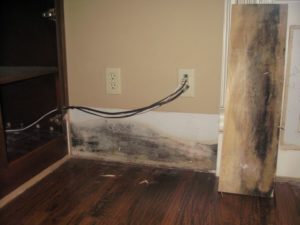
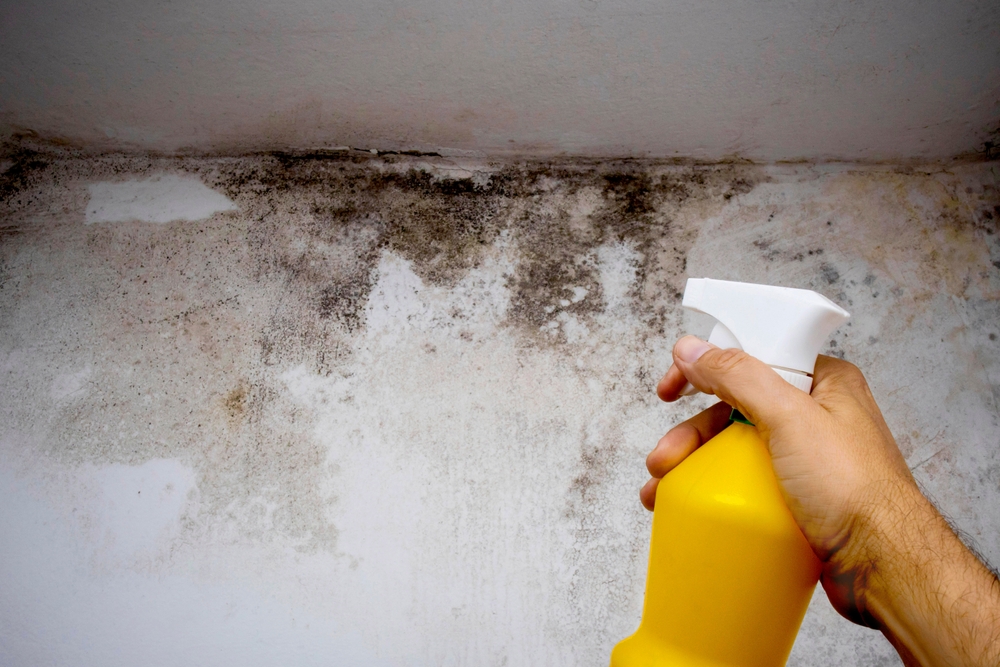
What if that faint, earthy smell near the washer isn’t “just damp,” but the first sign of a bigger problem hiding behind the wall?
They often ask: What to do when you find mold in the laundry room? The answer starts with speed and a clear head. Laundry rooms mix warmth, humidity, and damp fabrics—prime fuel for mold. When air lingers above 60% humidity and temps sit near 70°F, spores take hold on lint, dust, and rubber gaskets.
For many Tulsa homes, laundry room mold removal and laundry room mold cleanup depend on the scope. Tiny, localized spots might be handled safely, but widespread staining, soft floors, or recurring odors call for professional assessment. Dealing with mold in laundry area issues often means finding and fixing the moisture pathway before any cleanup begins.
Key Takeaways
- Moisture plus heat and lint create ideal mold conditions in Tulsa laundry spaces.
- Look beyond visible spots; check gaskets, walls, flooring, and vents.
- Dryers don’t kill mold; proper venting and lint removal are essential.
- Persistent leaks and humidity over 45% in winter raise the risk.
- Small, surface patches may be cleaned; larger or hidden growth needs pros.
- Effective laundry room mold removal starts by stopping the moisture source in Tulsa, OK.
- A musty smell often signals concealed mold and warrants a closer inspection.
Why laundry rooms develop mold and how to spot early signs in Tulsa, OK
Laundry rooms are hot, wet, and cramped. Washers and dryers make the air very humid. Clothes and lint provide food for mold, leading to quick growth.
Early signs are often subtle. A musty smell near the washer or dryer vent hints at moisture. Look for specks on seals or a film on the dispenser drawer.
Hidden problems can be worse. Leaks, cracked pans, or damp floors can go unnoticed. Clogged dryer ducts also trap moisture, creating mold-friendly spots.
Real Tulsa homes show how moisture lingers. After fixing a leak, odors can spread to other rooms. Condensation on hardwood near windows can also indicate high humidity.
Spotting mold requires a detailed check. Inspect door gaskets, drain pans, and dryer ducts. Use a humidity meter to confirm. These steps help tackle mold in hard-to-see areas.
What to do when you find mold in your Tulsa laundry room?
First, cut off moisture at its source. Fix leaks, turn off water to bad lines, and open windows or use fans for air. Use a dehumidifier to keep humidity under 45%, more so in winter.
Quickly remove wet loads from the washer. When it’s safe, leave the washer door open to dry the drum and gasket.
For small, easy-to-reach mold spots, clean the washer gasket and detergent drawer. This helps, but only if you fix the moisture issue. Always empty the lint trap after each cycle. Then, check and clean the dryer vent and ductwork.
The dryer alone can’t kill mold. It must vent outside with the right ducting to remove moisture.
If mold smells spread or grows on walls, floors, or ceilings, get professional help. Experts can test for mold, find the moisture source, and safely remove it. If subfloor rot or swollen baseboards show past leaks, you’ll need to replace materials.
Long-lasting odors mean trapped moisture and hidden mold. You might need to tear out wet parts to fix it.
Exposure to mold can cause eye problems, coughing, and sinus issues. For big or hidden mold, get a pro’s opinion. Keep surfaces clean and dry. Use commercial desiccants to soak up moisture while you wait for fixes.
These steps help you deal with mold in the laundry room. They ensure a thorough and lasting solution.
Long-term mold prevention in laundry rooms in Tulsa, OK
Controlling mold starts with managing moisture and airflow. Keep humidity below 45% in winter and under 60% all year. Use a dehumidifier and ensure good HVAC ventilation. For laundry room routines, keep front-load doors ajar after use and avoid damp items in machines or baskets.
- Humidity: maintain 45% or less in winter; stay under 60% in summer.
- Drying: keep doors ajar after washes; never store damp laundry.
- Repairs: fix leaks quickly to protect framing and subfloors.
- Ventilation: use outdoor dryer venting and clean ducts on schedule.
- Housekeeping: minimize dust and clutter to remove mold food sources.
- Verification: plan periodic laundry room mold inspection with documentation.
Conclusion
A Tulsa laundry room is a perfect place for mold to grow. Heat from appliances and damp clothes add moisture. Musty smells and wet spots are signs to act fast.
When you find mold, start by controlling moisture. Then, follow a step-by-step plan to fix it.
Quick action is key. Fix leaks and dry the area. Keep humidity below 60% in winter.
Let the washer air out and clean the lint filter. Make sure the dryer vents outside without blockages. Small mold spots can be removed yourself. But, hidden mold needs a professional.
Real homes show the importance of fixing mold issues. After fixing a leak, moisture can cause smells and spread mold. Removing damp subflooring and drying the area solved problems.
Prevention is the best way to avoid mold. Use good ventilation, control humidity, and fix plumbing issues quickly. Regular checks for mold can prevent big problems.
With these steps, mold removal becomes rare. Your laundry room stays safe, efficient, and healthy in Tulsa, OK.
Need Mold Removed in Your Tulsa Home?
Call Reset Restoration today for emergency mold remediation services in the Tulsa, OK area!