Skip to content

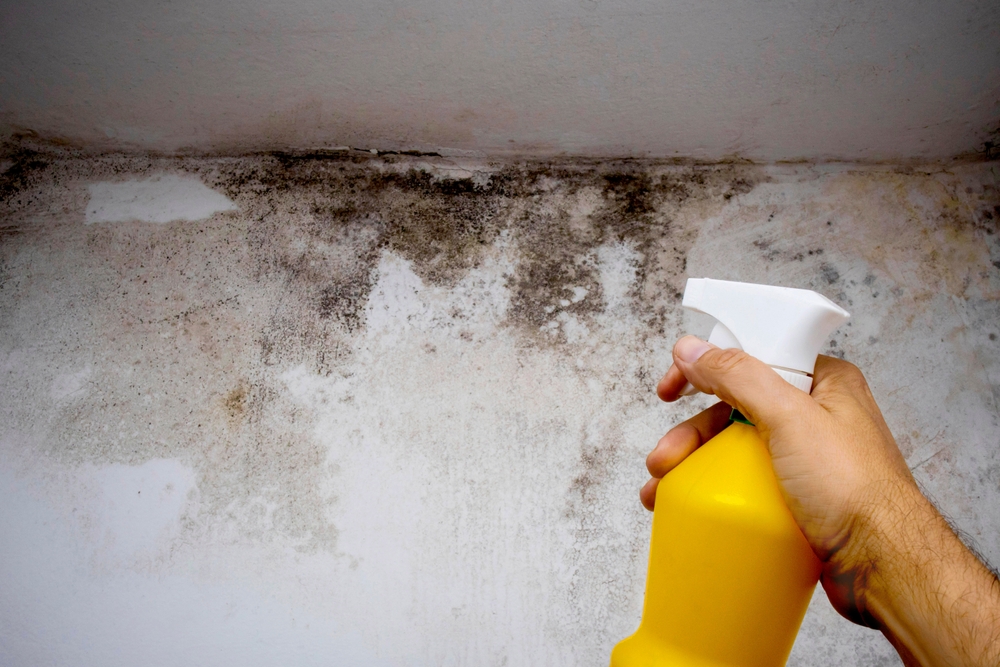
Finding mold in your home is more than a problem; it’s a serious health issue that needs quick action. Mold loves dark, damp, and warm spots in your house. It can harm your health and the structure of your home.
Knowing where mold hides in your home is the first step to a safer, healthier place. We’ll explore where mold often shows up. These spots are not just ugly; they can be dangerous. You’ll need experts to fix and remove mold.
This guide will help you find and fight mold in your home. It’s packed with tips to keep your home mold-free.
Key Takeaways
- Mold commonly inhabits areas with moisture, warmth, and limited airflow.
- Common household mold spots include bathrooms, kitchens, basements, and attics.
- Indoor mold locations can significantly affect air quality and health.
- Routine inspections can help in detecting where to find mold indoors.
- Professional mold remediation services are recommended for effective mold control.
- Preventative measures such as proper ventilation are key in managing mold growth areas.
Identifying the Common Areas for Mold Growth in Homes
Mold loves to hide in certain parts of your home. Knowing places where mold can grow is key to a healthy home. Let’s look at some common spots where mold often hides.
Moisture-Rich Areas: Bathrooms and Kitchens
Bathrooms and kitchens are hotspots for mold because they’re always humid. Steam from showers and cooking adds to the moisture. Watch for mold around sinks, showers, and bathtubs in bathrooms. In kitchens, check under sinks, behind dishwashers, and near refrigerator drip pans.
OutOfSight Locations: Attics and Basements
Attics and basements are also prone to mold. They often lack good air flow, leading to moisture buildup. Look for roof leaks in attics and water spots in basements. These areas need extra care to stop mold problems.
Living Spaces: Bedrooms and Living Rooms
Even bedrooms and living rooms can be mold-friendly. Furniture against walls, bad insulation, and plants can help mold grow. Keep these areas clean and watch for mold signs to avoid infestations.
Understanding the Causes Behind Mold Issues in Different Locations
Mold in homes is not just ugly but also harmful to health. Many things can cause mold, like too much humidity, not enough air, and water getting in. Knowing why mold grows helps homeowners stop it before it gets worse and they need mold remediation services.
The Role of Humidity and Ventilation
High humidity is a perfect place for mold to grow. Without good air flow, moist air gets trapped, mainly in common household mold spots like bathrooms and laundry rooms. Keeping humidity levels between 30-50% helps stop mold. Using dehumidifiers and making sure there’s enough air can really help.
Leaking Pipes and Flooding
Water damage from leaks or floods is great for mold. Leaks under sinks, behind walls, or in basements keep things damp. Fixing leaks fast and drying well after floods stops mold. Not fixing these problems quickly can lead to big mold damage restoration jobs.
Condensation on Windows and Other Surfaces
Condensation happens when warm, humid air meets a cooler surface. It can form on windows, metal pipes, and walls. This moisture is what mold needs to start. Wiping down wet spots and improving air flow in damp areas can stop mold.
Professional Solutions for Mold Issues in Homes
Ensuring the health and safety of our homes is key. Professional mold remediation services are essential for this. They use special techniques and tools to find and remove mold, keeping it from coming back.
Starting with a detailed check of the mold area is the first step. Experts use moisture meters and infrared cameras to find mold, even in hidden spots. This careful method makes sure all mold is found.
- Inspection and Testing: A detailed check to see how much and what kind of mold damage there is, often including lab tests.
- Containment Procedures: Technicians use negative air chambers and seal off areas to stop mold spores from spreading.
- Actual Mold Removal: They remove mold growths and throw away damaged materials like drywall or insulation.
- Filtration: HEPA vacuums and air scrubbers clean the air of spores and other particles, reducing health risks.
- Repair and Restoration: They fix or replace damaged structures and surfaces to make the home look and feel like new again.
Mold damage restoration is also important. It fixes the damage and makes the home safe and healthy again. This not only fixes the current problem but also helps prevent future mold issues.
Choosing professional help has many benefits. It ensures mold is completely removed and prevents it from coming back. This investment protects your home now and in the future.
Conclusion
Identifying mold-prone areas in your home is key to a healthy living space. Indoor mold can hide in unexpected places, like behind walls or under carpets. Knowing where mold grows helps you act fast and effectively.
Knowing why mold grows is also important. It’s often due to too much humidity, bad ventilation, or water leaks. Fixing leaks and improving air flow can stop mold before it starts. But, if mold does show up, knowing when to call the pros is vital for your home’s safety and health.
Our journey through mold in homes shows one thing: regular checks and care are your best defense. Acting quickly when you see mold is not just a reaction; it’s a smart investment in your home’s future and your family’s health. So, stay proactive with cleanliness, care for your home, and occasional expert checks to keep mold out for good.
Need Mold Removed in Your Tulsa Home?
Call Reset Restoration today for emergency mold remediation services in the Tulsa, OK area or contact us online!